
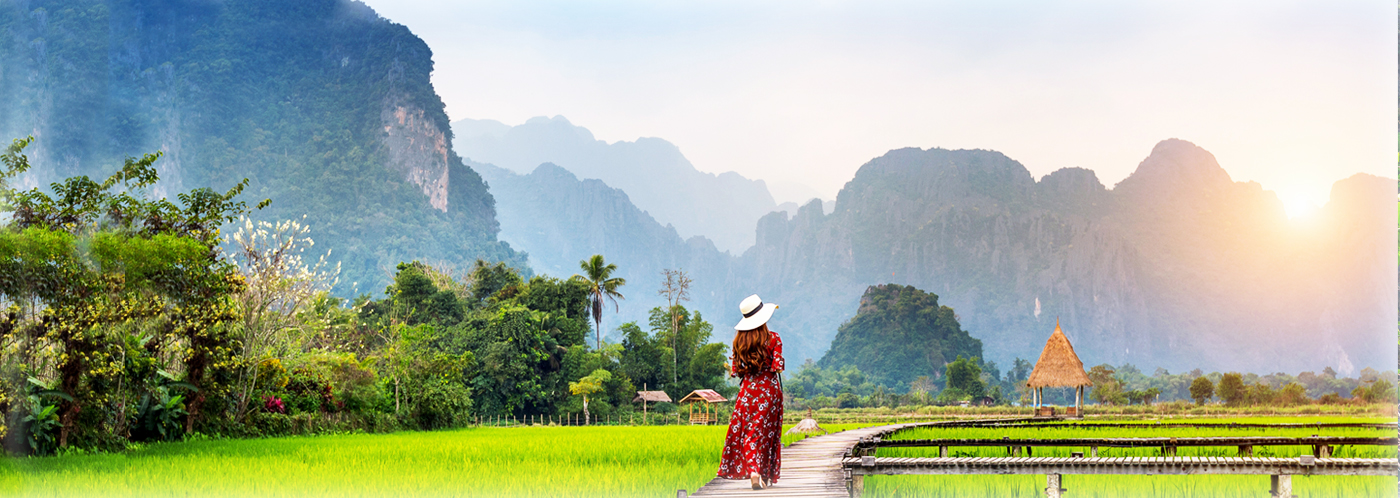
Lam Dong Tourism: From a “Heavenly” Phenomenon to a Journey of Growth
Marking its 30th anniversary, Lam Dong’s coastal tourism sector (formerly Binh Thuan Province) has shown remarkable progress and continues to play a vital role in driving local economic growth. From a once little-known destination, the province has transformed into one of Vietnam’s leading coastal tourism hubs, demonstrating both resilience and vision.
A Turning Point Born from Nature
October 24, 1995, became a defining moment for Binh Thuan tourism when the world turned its eyes toward Phan Thiet to witness a rare total solar eclipse. This natural event brought waves of visitors and investors eager to experience the unspoiled beauty of Vietnam’s southern coastal region. The encounter sparked a new era for local tourism, revealing the area’s enormous potential and paving the way for sustainable development.
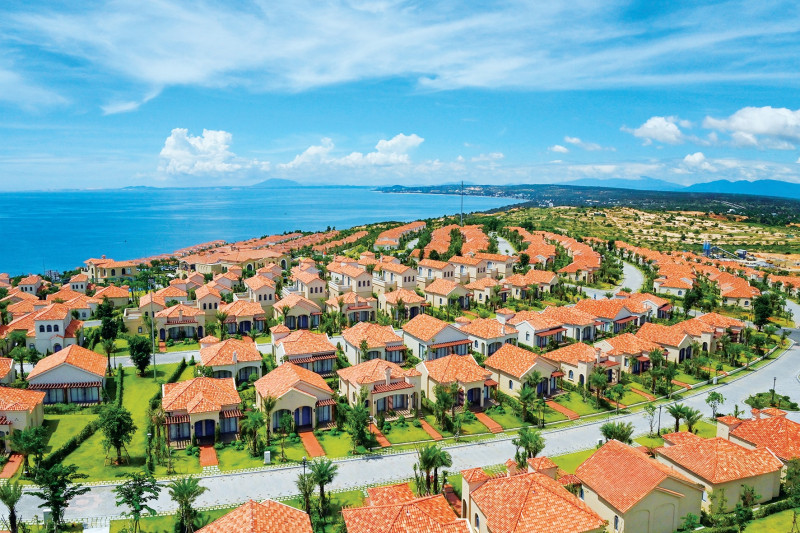
That date has since been recognized as the official founding day of Binh Thuan tourism. In the early 2000s, the region experienced an unprecedented investment boom, making it one of Vietnam’s most dynamic tourism destinations. With a coastline stretching 192 kilometers, Lam Dong’s coastal area attracted numerous projects focused on hospitality and leisure development. Phan Thiet, especially the Ham Tien – Mui Ne route, soon became known as Vietnam’s first “resort capital,” inspiring further growth across the province’s coastal towns.
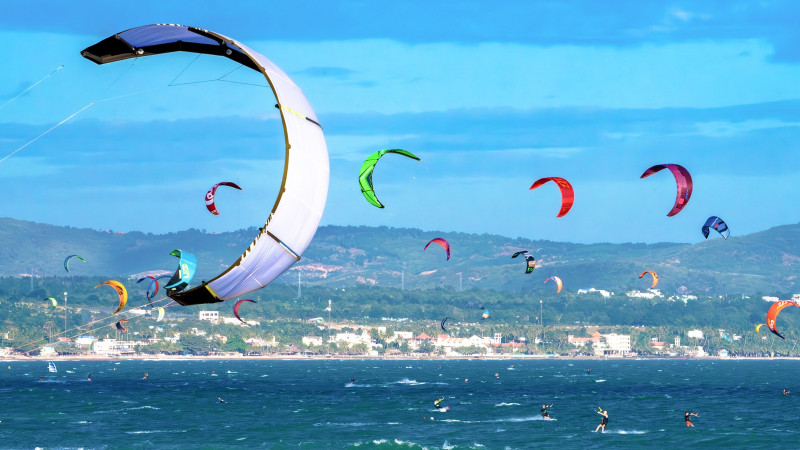
Over time, the province built a strong brand identity through the slogan “Blue Sea - White Sand - Golden Sun,” and established itself as a premier destination for luxury resorts, beach sports, and nature-based experiences. International events such as the PWA Windsurfing World Cup, Mui Ne International Boat Festival, Vietnam International Balloon Festival, and Miss Earth competition rounds all helped position Lam Dong’s coast on the global tourism map.
In 2023, the province proudly hosted Vietnam’s National Tourism Year under the theme “Binh Thuan - Green Convergence.” The event drew wide attention, reinforcing its ambition to become a national and international center for marine tourism and sports. Mui Ne National Tourism Area is now set to be one of Asia-Pacific’s top destinations in the coming years.
Strong Growth for a New Era
Before the provincial merger, Lam Dong’s coastal zone had 372 valid tourism projects, including 21 with foreign investment, totaling more than VND 1.3 quadrillion. Over 210 projects were already operational, supported by nearly 680 lodging establishments offering 20,960 rooms. In early summer 2025 alone, the area welcomed over one million visitors per month.
During the first half of 2025, Lam Dong’s coastal destinations received about 5.54 million tourists, an 18.48 percent increase year-on-year, generating more than VND 15 trillion in revenue. For the full year, the province expects to welcome over 11 million visitors and achieve a total tourism revenue of VND 28.2 trillion.
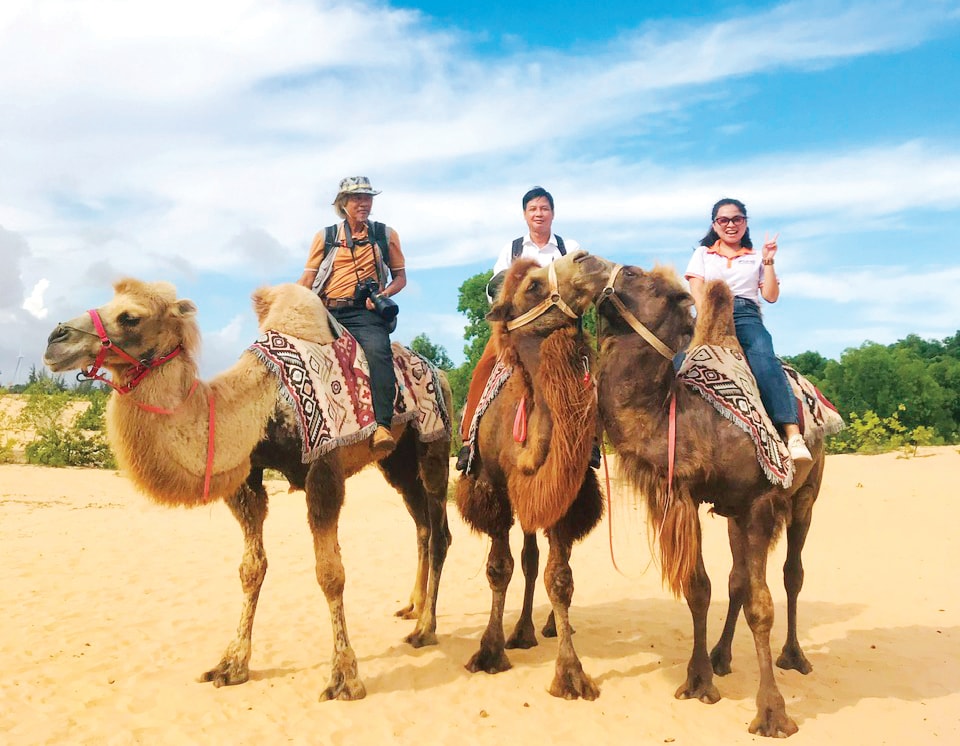
At 30 years old, Lam Dong’s tourism stands at a new crossroads, leveraging its rich natural and cultural assets to become a high-quality tourism center for Vietnam. Iconic attractions such as the Mui Ne Sand Dunes, Fairy Stream, Bau Trang Lake, Ke Ga Cape, and Phu Quy Island offer visitors unforgettable experiences. The region also preserves significant cultural landmarks including the Po Sah Inu Cham Towers, Duc Thanh School (where President Ho Chi Minh once taught), Thuy Tu Temple with Southeast Asia’s largest whale skeleton, and Ta Cu Mountain featuring a 49-meter reclining Buddha statue.
Annual festivals like the Cham people’s Kate Festival, the Chinese community’s Nghinh Ong Quan Thanh Festival, the Fishermen’s Festival, and the Dinh Thay Thim Festival further enrich the province’s cultural tourism appeal.
Looking Toward a Sustainable Future
Following the recent administrative merger, Lam Dong Province has set an ambitious goal to make tourism its leading economic sector, promoting the image of a destination that is “Green, Distinctive, Friendly, and Creative.” The province aims to establish itself as a national hub for eco-tourism, luxury resorts, and cultural experiences that harmoniously connect its forests, seas, and highlands.
In the short term, Lam Dong’s tourism industry targets 23 million visitors in 2025, including 1.3 million international travelers, with total revenues of approximately VND 46 trillion.
With well-established destinations like Da Lat, Bao Loc, Phan Thiet, Mui Ne, Phu Quy, Dak Nong UNESCO Global Geopark, and Ta Dung Lake, Lam Dong envisions an integrated tourism ecosystem that unites the Highlands, the Sea, and Geopark landscapes, creating one of Southeast Asia’s most competitive and distinctive travel experiences.
Recent Post

Fusion to Open Two Landmark Hotels in Hanoi and Hue in Early 2026
Fusion Hotel Group...

Nine Luxury Travel Experiences You Must Experience in 2026
The 2026 Luxe Repo...
Nine Days of Renewal and Transformation at JW Marriott Phu Quoc
During the Lunar N...

Top 3 All Inclusive Resorts Worth Experiencing in 2026
All inclusive holi...

All Inclusive A Curated Holiday in the World of Luxury
For a long time, a...