

Da Nang Protects Forests and Coastlines to Advance Sustainable Tourism

Da Nang is strengthening biodiversity conservation efforts and aligning environmental protection with the development of eco-tourism and the green economy. The city aims to build a truly sustainable “Environmental City” by safeguarding natural assets that support long-term tourism growth.
Da Nang currently offers fifty notable green and eco-tourism sites, including six nature reserves and national parks. Cù Lao Chàm Marine Protected Area and Sơn Trà Peninsula stand out for their rich ecosystems and rare species listed in Vietnam’s Red Data Book, making them two of the city’s most attractive destinations.
Waterway tourism between Cửa Đại and Cù Lao Chàm welcomed more than 255,000 visitors in the first eight months of 2025. After several nature trails in Sơn Trà were reopened in September 2025, visitor numbers increased sharply, especially among international travelers. Experiences such as diving to view coral reefs and marine life continue to draw strong interest during the summer season.
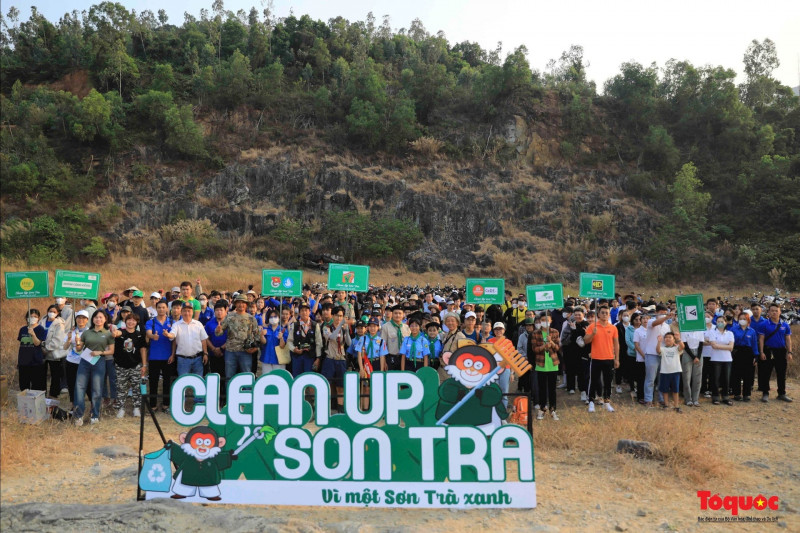
Management efforts focus on balancing tourism with conservation. Sơn Trà authorities carry out trail maintenance, fire-prevention activities and coral-reef protection, while coordinating with inter-agency teams to prevent illegal logging and wildlife trading. The city is also considering expanding the “Clean Up Sơn Trà” programme into a responsible tourism product to encourage visitor participation in conservation.
Da Nang’s long-term approach is guided by the 2020 biodiversity conservation plan, which sets targets through 2030 and a vision to 2045. The plan aims to enhance protected areas, restore endangered species, improve conservation policies and support local livelihoods in buffer zones. Priority ecosystems include Bà Nà – Núi Chúa Nature Reserve, Sơn Trà Nature Reserve, Nam Hải Vân Scenic Protection Area, coral reefs, seagrass beds and wetlands.
Experts note that biodiversity conservation faces increasing pressure from climate change, forest degradation, infrastructure development and wildlife trade. They recommend stronger adoption of digital tools and artificial intelligence such as SMART patrol systems, digital camera traps, drones for fire monitoring and GIS for land-cover mapping. AI and IoT can analyse satellite data and environmental sensors to detect early signs of habitat loss.
Researchers also highlight the importance of community engagement. Clear legal frameworks, shared management models and education on circular economy and applied ecology can help residents participate more actively in conservation. When local communities benefit from nature-based tourism, they become key partners in protecting the natural resources that sustain the destination.
Recent Post

Fusion to Open Two Landmark Hotels in Hanoi and Hue in Early 2026
Fusion Hotel Group...

Nine Luxury Travel Experiences You Must Experience in 2026
The 2026 Luxe Repo...

Nine Days of Renewal and Transformation at JW Marriott Phu Quoc
During the Lunar N...


Top 3 All Inclusive Resorts Worth Experiencing in 2026
All inclusive holi...

All Inclusive A Curated Holiday in the World of Luxury
For a long time, a...