

Vietnamese Ingredients in the Michelin Spotlight
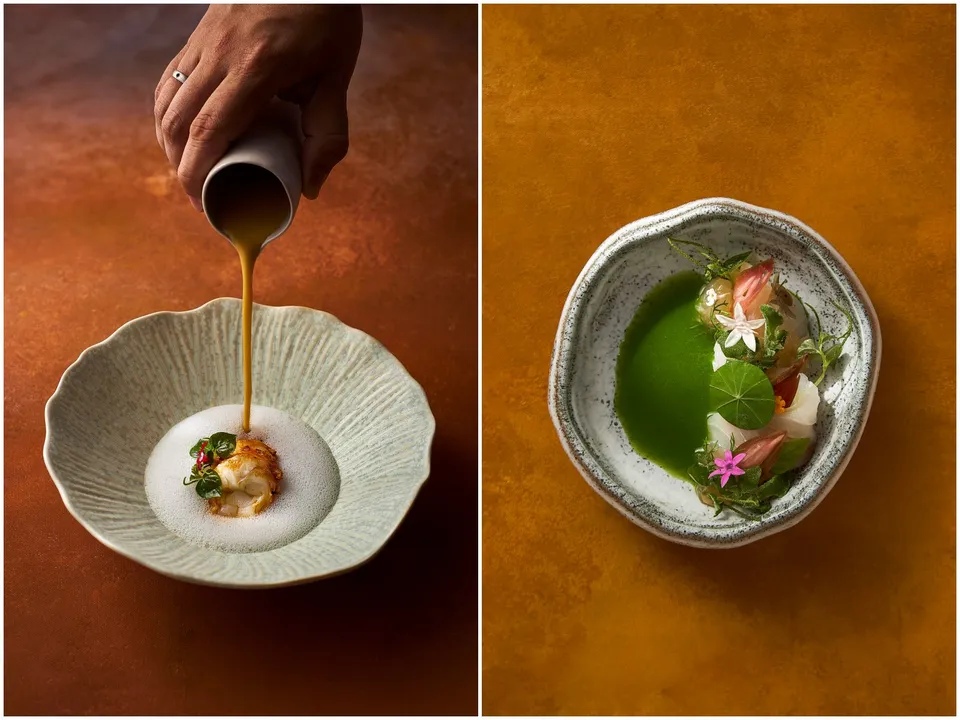

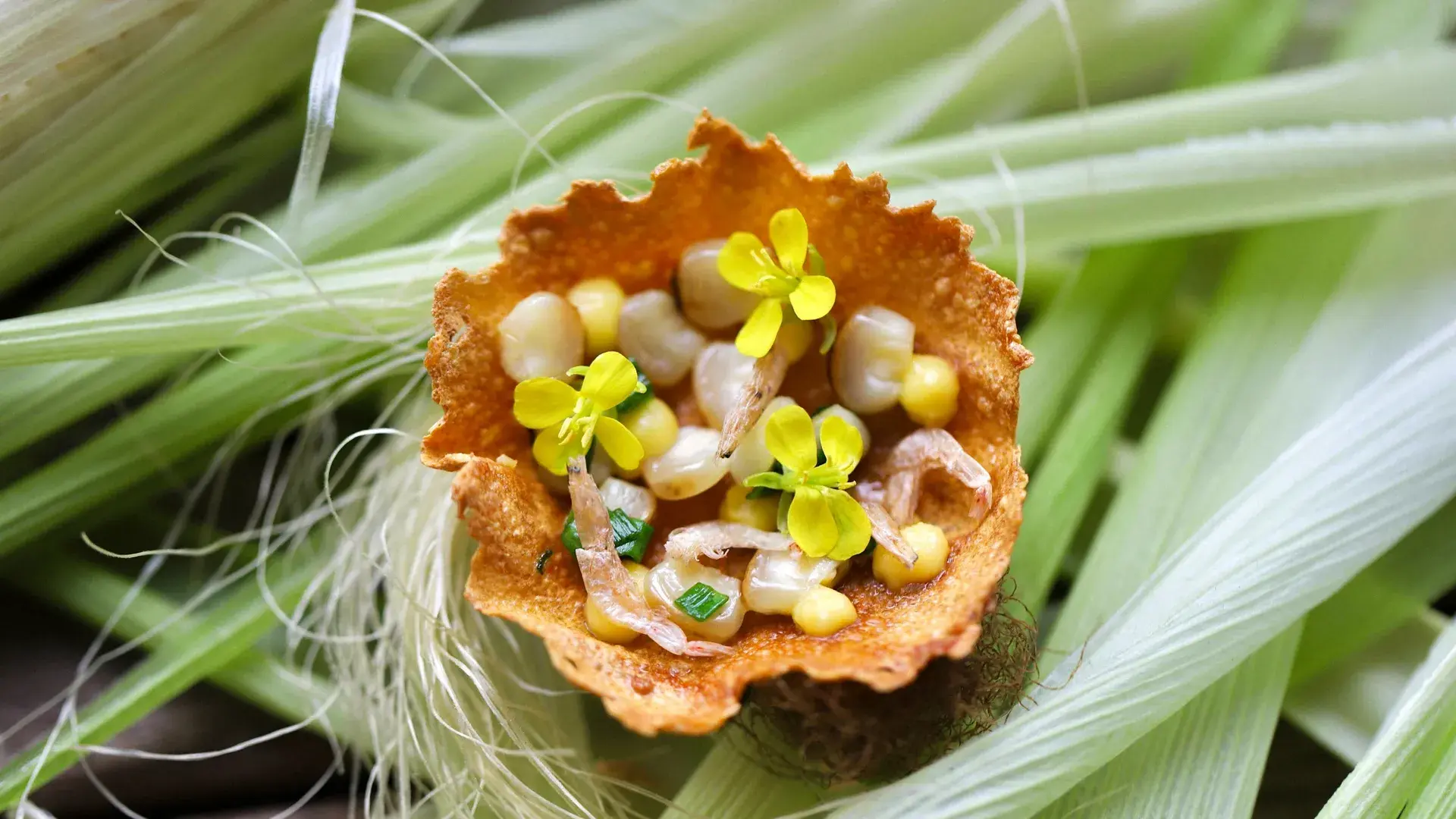
The 2025 Michelin Guide marks its third year in Vietnam and highlights a clear shift in the country’s culinary landscape. Local ingredients have moved to center stage in the fine dining scene, where chefs reinterpret Vietnamese produce through contemporary techniques and refined storytelling.
A New Context for Vietnamese Gastronomy
Following the Michelin Guide Vietnam 2025 announcement in Hanoi, Ho Chi Minh City and Da Nang, Vietnam recorded nine one star restaurants, two Green Star restaurants and sixty three Bib Gourmand establishments. This growth reflects a culinary ecosystem that values technical excellence while honoring tradition and regional identity.
Gwendal Poullennec, International Director of the Michelin Guide, emphasized that many chefs are returning to their roots, using modern cooking to express Vietnamese childhood memories and culture. Street food venues and long standing family restaurants also continue to preserve their authentic culinary heritage.
Vietnamese Ingredients in the Leading Role
Seasonal cooking is central to CieL, one of the youngest restaurants to earn a Michelin star. Chef Viet Hong highlights the strengths of land and sea through dishes such as Nha Trang lobster with a short aged butter tartare and green crab paired with a French inspired broth made from Da Lat tomatoes. These techniques elevate Vietnamese produce through precision and balance.
Sustainable gastronomy also gains momentum with Lamai Garden, one of Vietnam’s two Green Star restaurants. Their produce comes directly from an on site garden, nearby farms and local suppliers in Phu Tho, creating a genuine farm to table experience shaped by seasonal harvests.
Fish sauce is another point of inspiration for many chefs. At Chapter Dining, fish sauce becomes a foundational flavor in refined dishes such as bánh tẻ broth and the new pink kumquat fish sauce jelly served with fresh prawns. Through creative reinterpretation, Vietnamese condiments shift from traditional ingredients to defining elements of contemporary cuisine.
Beverages That Speak Vietnamese
Pho, a symbol of Vietnamese culinary heritage, recently inspired a signature cocktail by Chef Peter Cuong Franklin of the Michelin starred restaurant AnAn Saigon. This creation blends lime, soda and Vietnamese herbs, capturing the essence of pho in a refreshing and inventive drink.
Service as a Key Ingredient
Vietnamese hospitality continues to shape the fine dining experience. CieL and Lamai Garden demonstrate that warmth and intimacy can coexist with star level standards. At Mặn Mòi, Bib Gourmand recipient Nhã Huỳnh earned the Service Award 2025 for his welcoming attitude and thoughtful guest care, reinforcing the value of human connection in Vietnamese dining culture.
A Confident Vietnamese Culinary Identity
Vietnam’s growing Michelin presence affirms its international appeal. Local ingredients, modern techniques and authentic storytelling allow Vietnamese cuisine to assert its identity within the world of haute cuisine. As young talents continue to push boundaries, diners can expect tasting menus that express Vietnam with greater confidence, clarity and creativity.
This evolution paints a promising future in which Vietnamese flavors become even more distinctive, refined and unmistakably original.
Recent Post

Fusion to Open Two Landmark Hotels in Hanoi and Hue in Early 2026
Fusion Hotel Group...

Nine Luxury Travel Experiences You Must Experience in 2026
The 2026 Luxe Repo...

Nine Days of Renewal and Transformation at JW Marriott Phu Quoc
During the Lunar N...


Top 3 All Inclusive Resorts Worth Experiencing in 2026
All inclusive holi...

All Inclusive A Curated Holiday in the World of Luxury
For a long time, a...