

Da Nang Defines Cultural Identity in Tourism Products
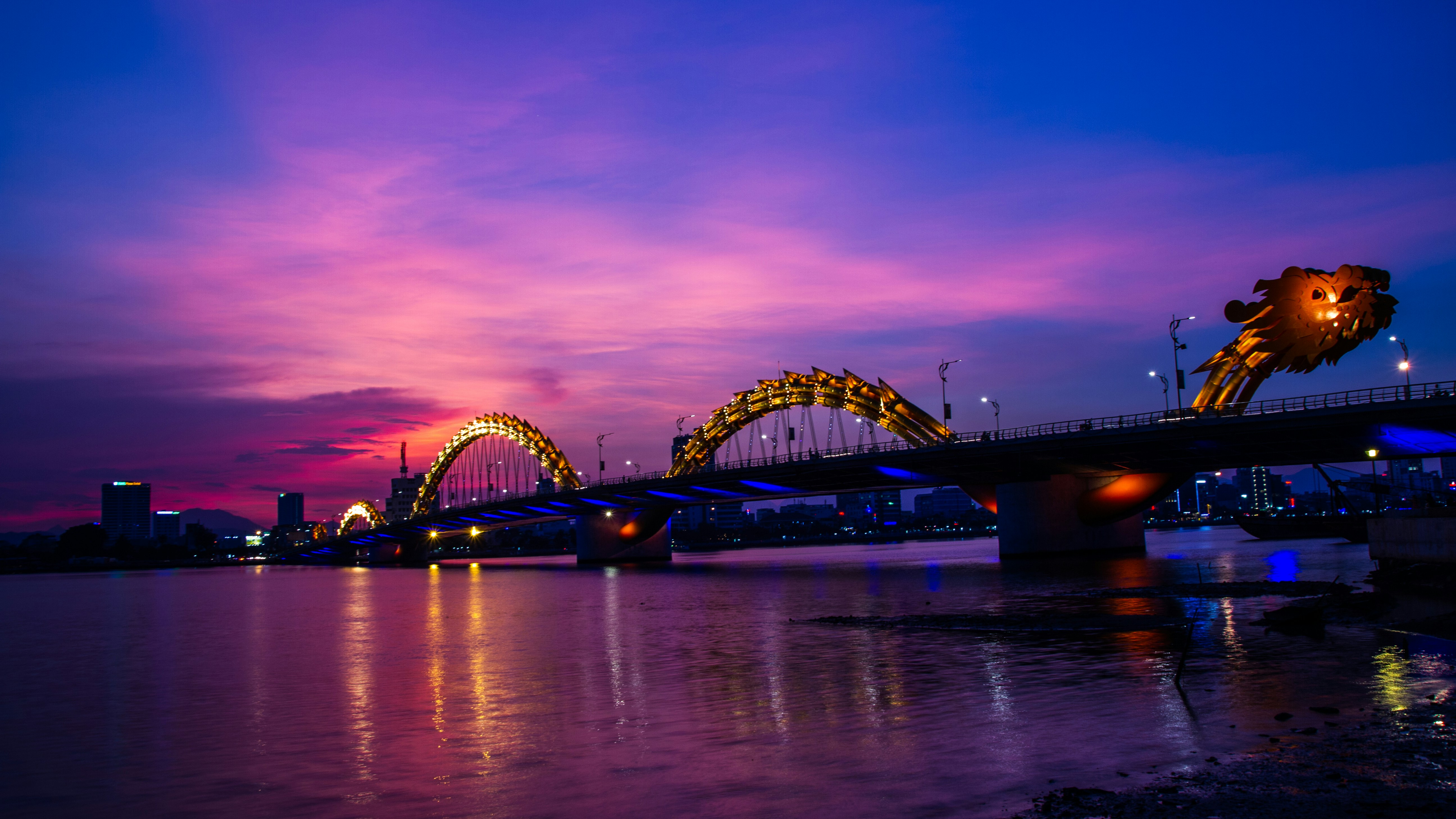
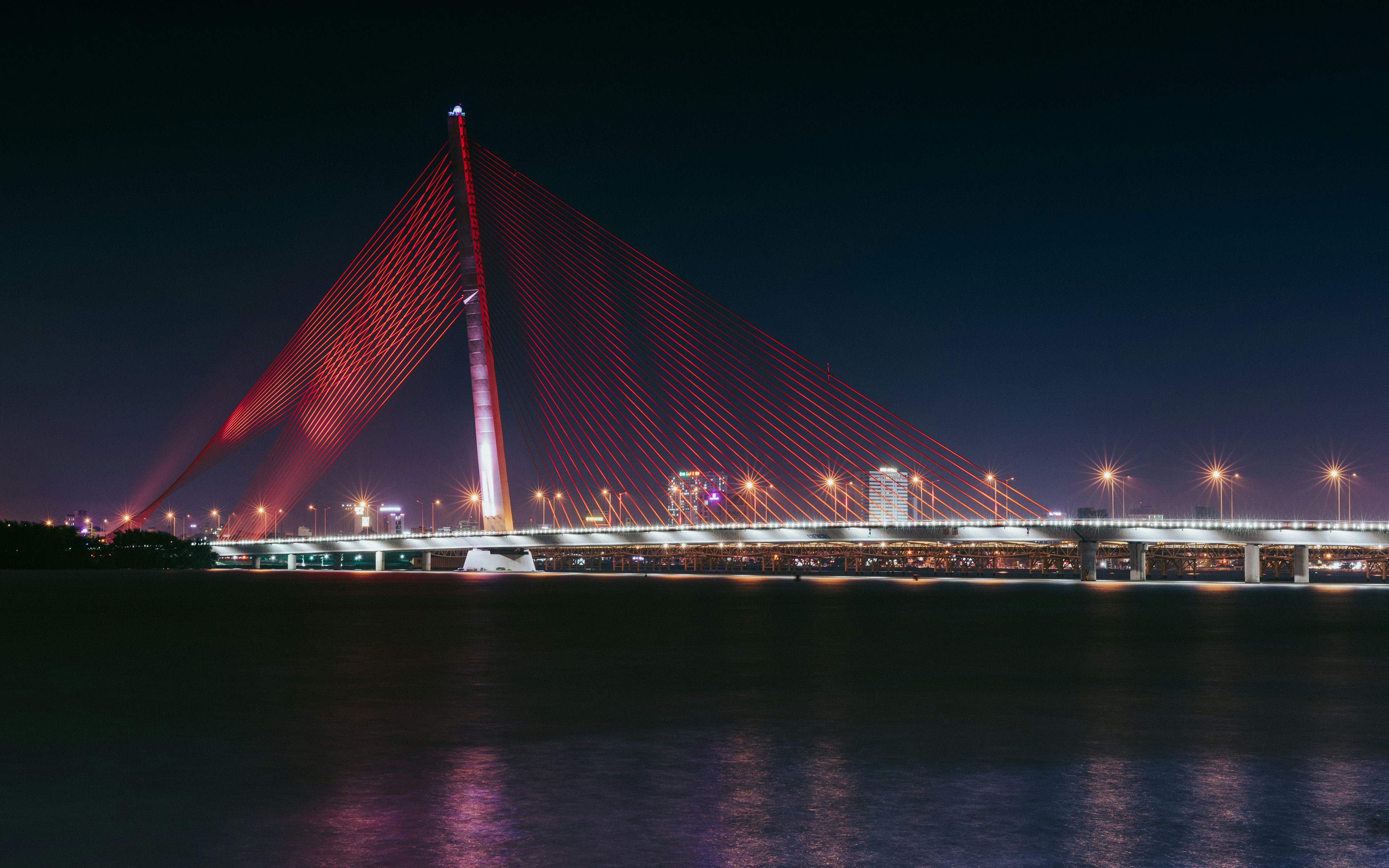

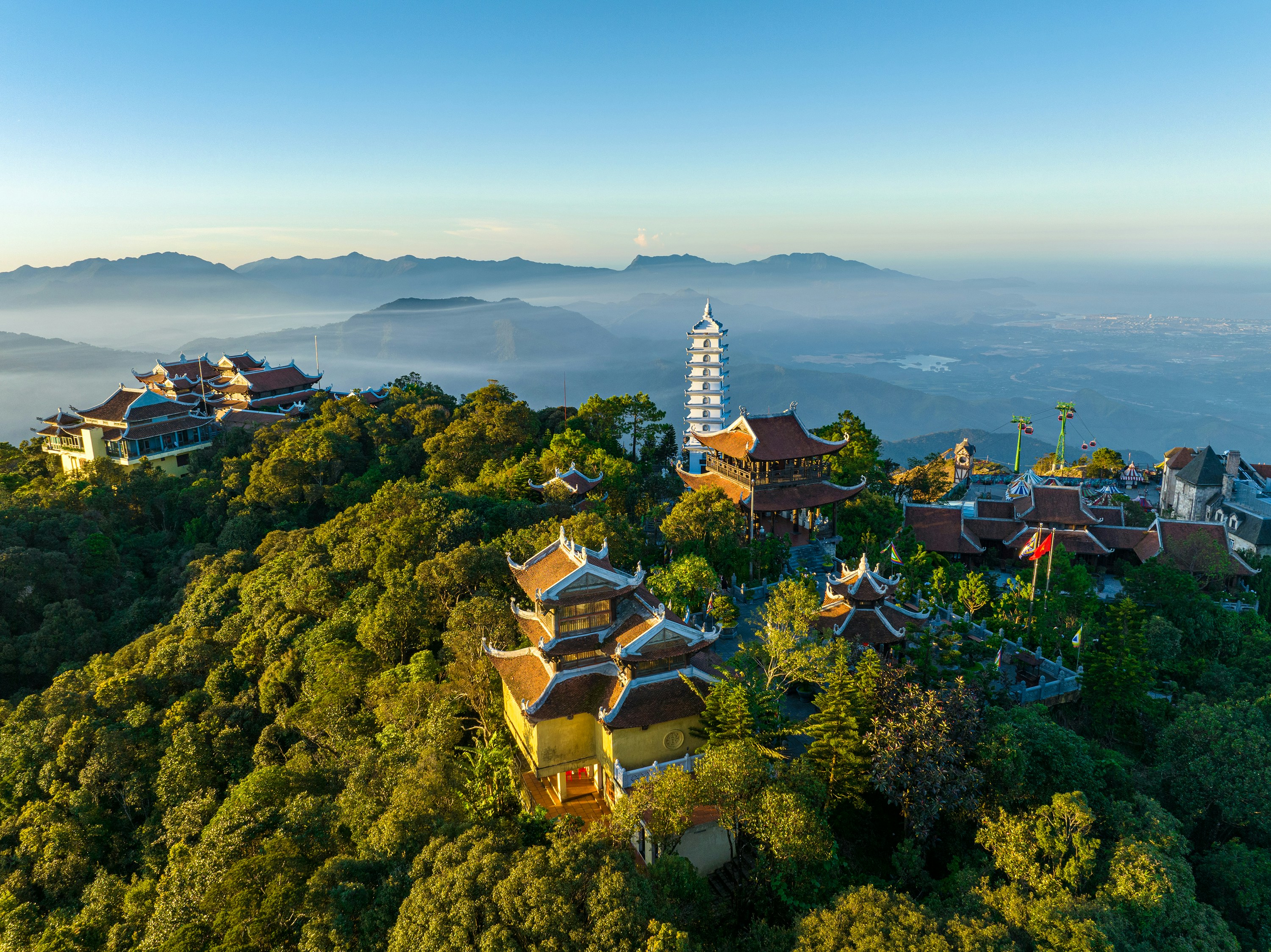
For many years, Da Nang has been known as a dynamic tourism city with blue seas, white sands, golden sunshine, modern infrastructure, and large-scale international events. However, alongside the strong growth of the tourism industry, a pressing question arises: how can tourism products avoid monotony and duplication, while still affirming their own unique identity?
Da Nang has chosen to answer this by pursuing development based on culture, using cultural heritage as a unique ingredient to create tourism products that are profound, distinctive, and sustainable.
Cultural Identity – Da Nang’s Distinct Advantage
Located in the heart of Central Vietnam, Da Nang is a crossroads of many cultural streams. The legacy of the Champa civilization is still evident in relics and museums, while the Viet-Quang culture lives on in the daily life of fishing villages and traditional craft communities.
The city also preserves a wealth of intangible cultural values such as classical drama (hát bội), whale-worship festivals, and the distinct cuisine of Central Vietnam.
As a gateway city, Da Nang plays a central role in the “Heritage Road of Central Vietnam,” connecting Hue – Hoi An – My Son. This gives Da Nang a unique advantage in shaping cultural tourism products that go beyond natural landscapes to highlight tradition and identity.
In recent years, Da Nang has launched many models combining culture and tourism to enhance visitor experiences.
One highlight is the “Da Nang Culinary Passport”, which allows tourists to explore a diverse culinary ecosystem, from street food to fine dining, while honoring the rich gastronomic heritage of Central Vietnam. The inclusion of Da Nang in the Michelin Guide 2025 further affirms the city’s growing position on the world culinary map.
Traditional festivals are also being reintroduced into urban spaces in creative ways. The Whale-Worship Festival, once deeply rooted in fishing communities, is now reenacted during tourism events, adding a distinctive coastal cultural touch for visitors.
Nam O fish sauce making, Cam Ne mat weaving, and Non Nuoc stone carving villages have also been integrated into experiential products, both promoting traditional crafts and generating new livelihoods for local communities.
In addition, community-based tourism in Hoa Bac and Nam O allows visitors to immerse themselves in local life, paddle SUPs along the Cu De River, enjoy rustic cuisine, and learn about the Co Tu ethnic culture. This approach not only meets the growing demand for “authentic experiences” among international travelers but also helps preserve heritage.
Statistics from the tourism sector show that international visitors to Da Nang are now extending their stays and increasing spending thanks to these culture-linked products. Tourists are not only enjoying the sea but also dedicating more time to discovering local culture, joining craft village tours, and culinary journeys.
This cultural integration benefits artisans and local communities, giving traditional crafts new opportunities for revival and preservation. Especially notable is Da Nang’s cuisine, which manages to remain rustic yet meet international standards—an important factor in shaping the city’s tourism brand.
Moving Toward Sustainability
Despite its achievements, integrating culture into tourism comes with challenges. Some products risk becoming overly “staged,” losing authenticity in the visitor’s eyes. Festivals introduced into urban settings can sometimes drift away from their original communities.
Developing cultural tourism products also requires skilled professionals who understand both fields. If cultural elements are used merely as decoration, products will lack depth and fail to retain long-term appeal.
For this reason, thorough investment is needed, from cultural research to workforce training, along with strong participation from local communities.
Defining cultural identity within tourism products is a crucial step, helping Da Nang move beyond uniform “sea tourism” development. But for true sustainability, the city must pursue a long-term strategy focused on three priorities: heritage preservation, community empowerment, and regional connectivity.
Linking Da Nang with Hue, Quang Ngai, and the Central Highlands through cultural tourism routes will create new experiences for visitors while reinforcing the city’s central role in the region.
When placed in the right position, culture is not just the “soul” of tourism products but also a driving force that spreads the image of a Da Nang that is both modern and deeply rooted in tradition.
From whale-worship festivals to traditional craft villages, from rustic dishes to artistic spaces, the city is creatively embedding culture into its tourism offerings. This is not only about enriching tourism but also about preserving and passing on heritage to future generations.
Recent Post

Fusion to Open Two Landmark Hotels in Hanoi and Hue in Early 2026
Fusion Hotel Group...

Nine Luxury Travel Experiences You Must Experience in 2026
The 2026 Luxe Repo...
Nine Days of Renewal and Transformation at JW Marriott Phu Quoc
During the Lunar N...

Top 3 All Inclusive Resorts Worth Experiencing in 2026
All inclusive holi...

All Inclusive A Curated Holiday in the World of Luxury
For a long time, a...